No Balance Issues Doctor in Silchar for now
Frequently Asked Questions
Yes. regular exercise to strengthen back and core muscles, maintaining a healthy weight, using ergonomic furniture, and lifting objects correctly can significantly reduce the risk of back pain.
Rest, applying heat or ice, gentle stretching, over-the-counter painkillers, maintaining good posture, and avoiding heavy lifting can help manage mild back pain at home.
Doctors diagnose back pain through physical exams and may order tests like x-rays, mri, or ct scans to identify issues like disc problems, fractures, or nerve compression.
You should seek medical attention if the pain is severe, persistent for more than a few weeks, radiates down the legs, causes numbness or weakness, or is associated with weight loss, fever, or bowel/bladder issues.
Back pain can be caused by muscle strain, poor posture, herniated discs, arthritis, spinal stenosis, osteoporosis, or injuries. lifestyle factors like prolonged sitting, heavy lifting, or lack of exercise also contribute.
Treatment depends on the cause. it may include hydration, balanced nutrition, rest, treatment for infections or chronic illnesses, physical therapy, or medications to manage underlying conditions like anemia or thyroid disorders.
Seek medical help if weakness is persistent, affects daily activities, is accompanied by slurred speech, confusion, fainting, fever, or trouble breathing, or occurs suddenly without a clear reason.
Not always. fatigue refers to feeling tired or drained, while true weakness means reduced muscle strength. it's important to distinguish between the two, as muscle weakness could indicate more serious conditions.
Sudden weakness may result from low blood sugar, dehydration, stroke, heart conditions, infections, anemia, or neurological disorders. immediate medical attention is advised if weakness is severe or one-sided.
Weakness refers to a lack of physical strength or energy and can be a result of fatigue, illness, poor nutrition, dehydration, or underlying medical conditions affecting muscles, nerves, or organs.
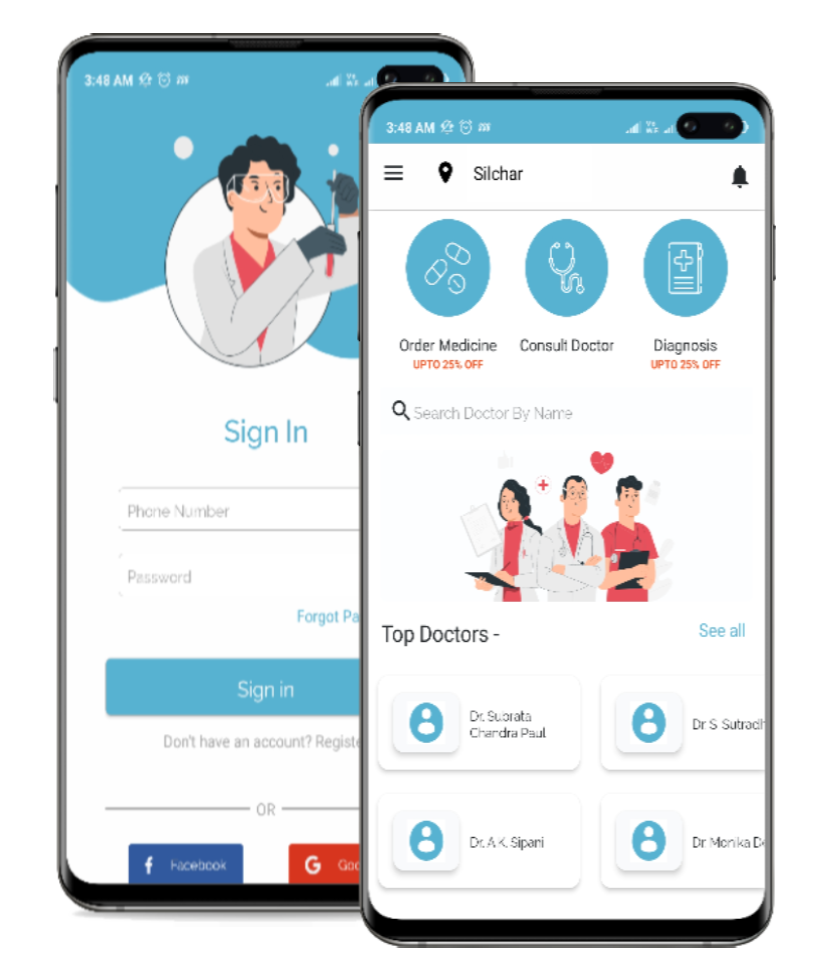
Download Quickobook App
Book appointment & health checkups;
Online lab test & consult doctor online
Get the link to download the app
+91
 Play Store