No Breathlessness Doctor in Silchar for now
Frequently Asked Questions
Consult a doctor if it’s your first fainting episode, if it happened during exercise, or if it came with chest pain, irregular heartbeat, confusion, or injury.
To prevent fainting, stay hydrated, avoid standing for long periods, don’t skip meals, and sit or lie down if you feel lightheaded. people with known triggers should take precautions in those situations.
Lay the person flat on their back, elevate their legs, and loosen tight clothing. make sure they’re breathing. if they don’t wake up in a minute or show other concerning symptoms, seek emergency help.
Not always. many fainting episodes are harmless, especially in young people. however, if it happens frequently or without warning, it may signal a heart or neurological issue and should be checked by a doctor.
Fainting happens when the brain temporarily doesn't get enough blood flow. causes include dehydration, low blood pressure, standing up too quickly, heart problems, emotional stress, or overheating.
See a doctor if dizziness is frequent, severe, lasts more than a few minutes, or is accompanied by fainting, chest pain, or trouble walking or speaking.
Sit or lie down immediately, stay hydrated, avoid sudden movements, and rest. eating small, regular meals can help if dizziness is due to low blood sugar.
While dizziness is often harmless, it can sometimes signal serious conditions like stroke, heart issues, or neurological disorders—especially if it occurs with blurred vision, slurred speech, or weakness.
Dizziness is a general feeling of lightheadedness or imbalance, while vertigo is the sensation that you or your surroundings are spinning, often linked to inner ear issues.
Dizziness can be caused by low blood pressure, dehydration, inner ear problems (like vertigo), low blood sugar, anemia, anxiety, or certain medications.
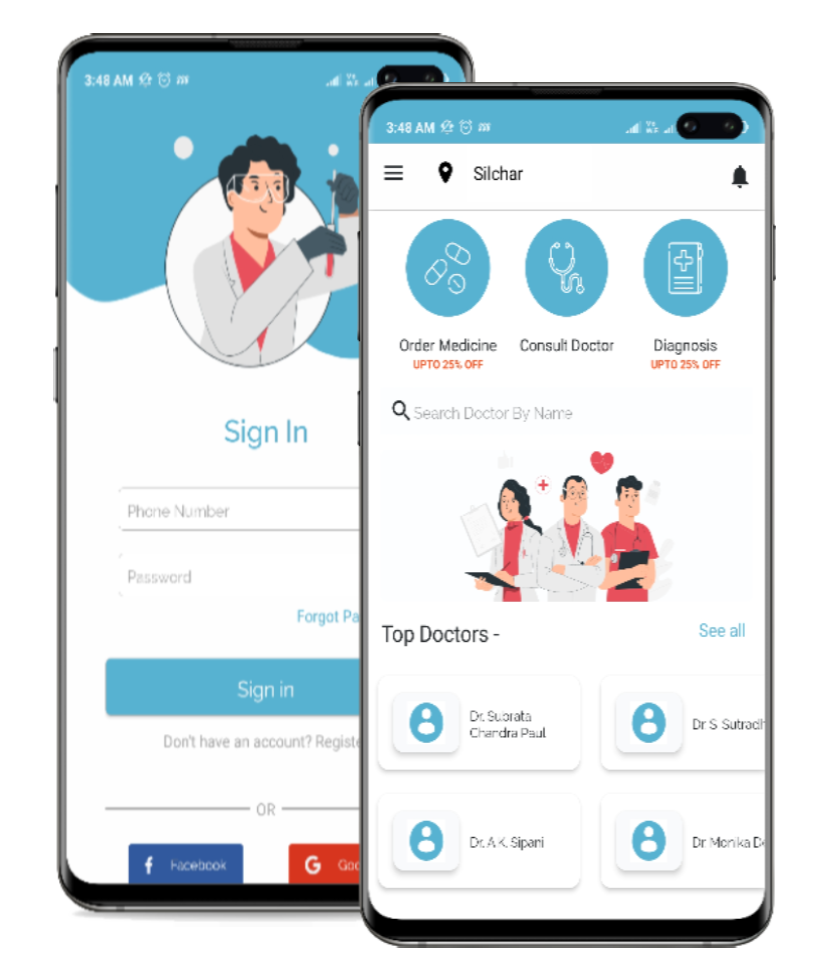
Download Quickobook App
Book appointment & health checkups;
Online lab test & consult doctor online
Get the link to download the app
+91
 Play Store