No Weakness Doctor in Silchar for now
Frequently Asked Questions
Focus on balanced eating, regular exercise, staying hydrated, getting enough sleep, managing stress, and consulting a healthcare provider for personalized guidance if needed.
Hormonal shifts during menstruation, menopause, thyroid dysfunction, or conditions like pcos can lead to weight gain by affecting appetite, metabolism, and fat storage.
Sudden, unexplained weight gain—especially if it’s rapid or accompanied by swelling, fatigue, or breathlessness—should be evaluated by a doctor to rule out medical issues.
Yes, weight gain can occur due to factors like slow metabolism, water retention, hormonal imbalance, poor sleep, or side effects of medications—even without changes in diet.
Weight gain can be caused by overeating, lack of physical activity, stress, hormonal changes, certain medications, or underlying medical conditions like hypothyroidism or pcos.
Treatment depends on the cause and may include antibiotics (for bacterial infections), anti-inflammatory drugs (for ibd), fluids to prevent dehydration, and sometimes hospitalization.
Doctors may recommend stool tests, blood tests, colonoscopy, or imaging studies to identify the cause and determine the appropriate treatment.
Yes, certain bacteria like e. coli, shigella, or salmonella can cause severe food poisoning that leads to bloody diarrhea, often with abdominal cramps and fever.
Yes, bloody diarrhea should never be ignored. it can indicate a serious infection, bowel inflammation, or internal bleeding, and needs prompt medical evaluation.
It can be caused by infections (like bacterial dysentery), inflammatory bowel disease (ibd), hemorrhoids, anal fissures, diverticulosis, or, in rare cases, colon cancer.
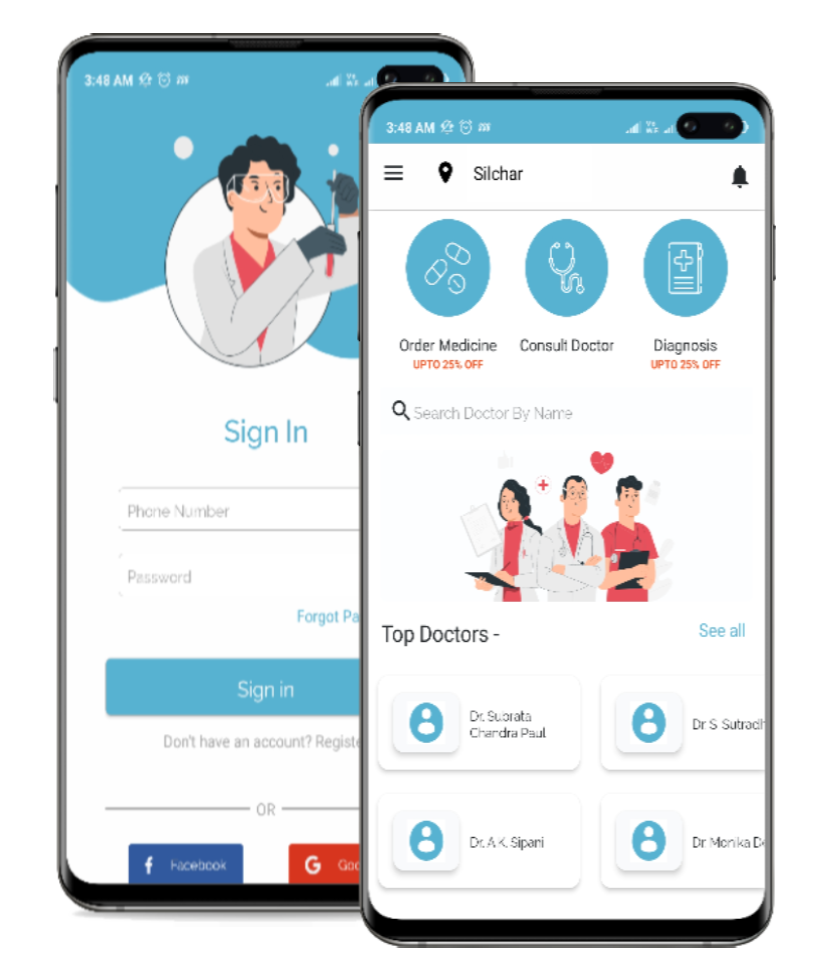
Download Quickobook App
Book appointment & health checkups;
Online lab test & consult doctor online
Get the link to download the app
+91
 Play Store