
Introduction
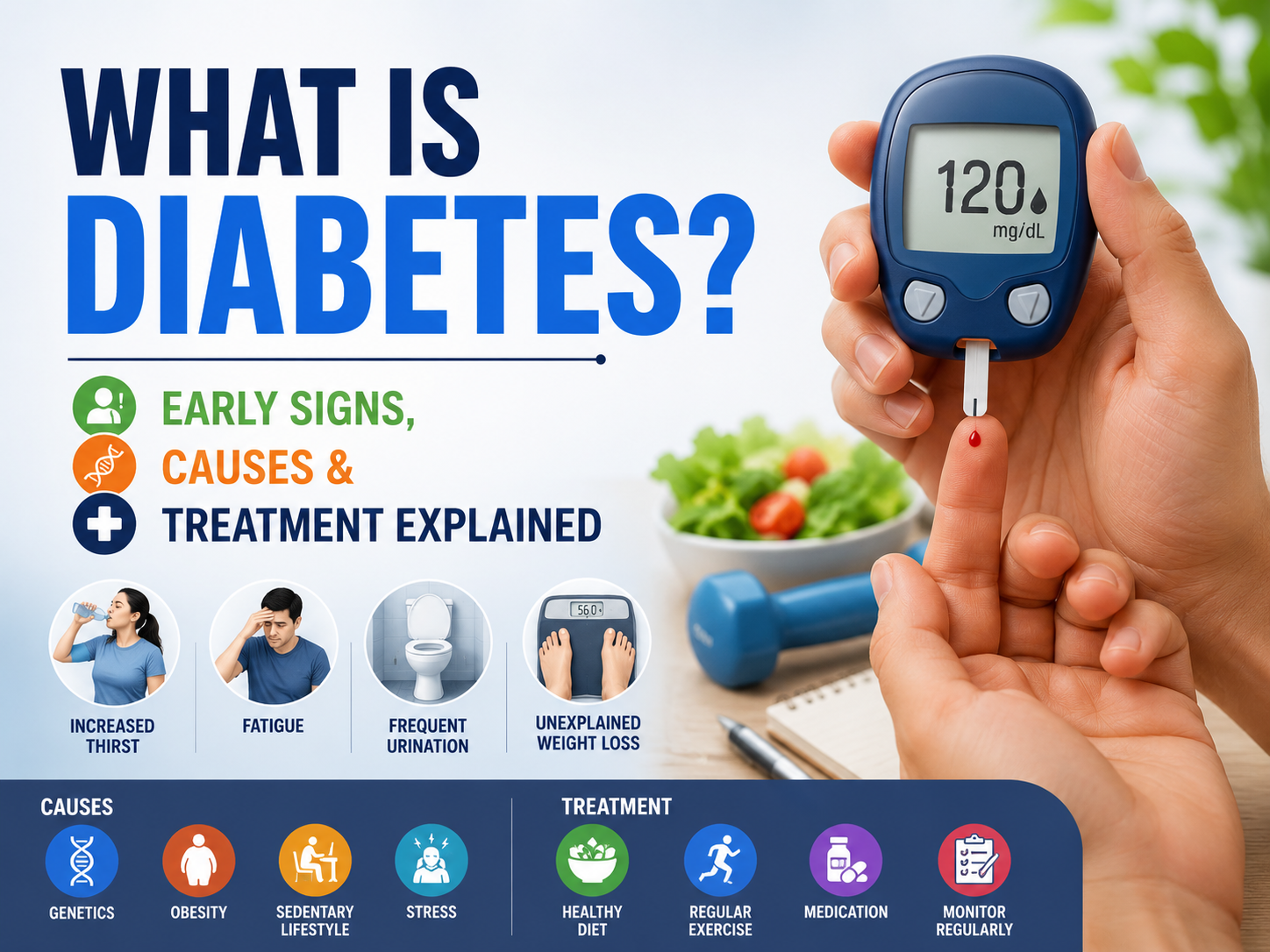
Diabetes is one of the most common long-term health conditions in India. It affects millions of people every year, including children, adults, and senior citizens. Many people live with diabetes without knowing they have it because the early symptoms can be mild or ignored.
Diabetes happens when the body cannot properly control blood sugar levels. Blood sugar, also called glucose, is the body’s main source of energy. When glucose stays too high for a long time, it can damage the heart, kidneys, eyes, nerves, and other organs.
The good news is that diabetes can often be managed with early diagnosis, healthy lifestyle changes, proper medicines, and regular monitoring.
In this detailed guide, you will learn:
-
What diabetes is
-
Early warning signs
-
Main causes and risk factors
-
Types of diabetes
-
Diagnosis methods
-
Treatment options
-
Diet and lifestyle tips
-
Prevention strategies
-
Complications and risks
-
When to see a doctor
What Is Diabetes?
Diabetes is a medical condition where the body either:
-
Does not produce enough insulin, or
-
Cannot properly use insulin.
Insulin is a hormone made by the pancreas. It helps sugar move from the blood into the body’s cells for energy.
When insulin does not work properly, sugar stays in the bloodstream. This leads to high blood sugar levels, also known as hyperglycemia.
Over time, uncontrolled diabetes can cause serious health problems.
Types of Diabetes
Type 1 Diabetes
Type 1 diabetes happens when the immune system attacks insulin-producing cells in the pancreas.
-
Usually develops in children or young adults
-
Requires lifelong insulin treatment
-
Cannot currently be prevented
Common symptoms:
-
Sudden weight loss
-
Extreme thirst
-
Frequent urination
-
Fatigue
Type 2 Diabetes
Type 2 diabetes is the most common form in India.
It happens when the body becomes resistant to insulin or does not produce enough insulin.
Risk factors:
-
Obesity
-
Lack of exercise
-
Family history
-
Poor diet
-
Stress
Type 2 diabetes can often be controlled with lifestyle changes and medicines.
Gestational Diabetes
This type develops during pregnancy.
It usually goes away after delivery but increases the risk of future Type 2 diabetes.
Pregnant women need regular sugar testing to protect both mother and baby.
Prediabetes
Prediabetes means blood sugar levels are higher than normal but not high enough to be called diabetes.
It is a warning sign.
Without lifestyle changes, many people with prediabetes develop Type 2 diabetes within a few years.
Early Signs of Diabetes
Many people ignore the early signs of diabetes because they seem small or common.
Here are the most common symptoms:
Frequent Urination
High blood sugar forces the kidneys to work harder, leading to frequent urination, especially at night.
Excessive Thirst
Losing more water through urine causes dehydration and increased thirst.
Increased Hunger
Even after eating, the body may not get enough energy from food.
Fatigue
People with diabetes often feel tired because cells are not receiving enough glucose.
Blurred Vision
High sugar levels can affect the eyes and vision.
Slow-Healing Wounds
Cuts, infections, or bruises may take longer to heal.
Unexplained Weight Loss
This is more common in Type 1 diabetes.
Tingling or Numbness
High blood sugar can damage nerves, especially in the hands and feet.
Frequent Infections
People may experience:
-
Skin infections
-
Urinary infections
-
Fungal infections
Causes of Diabetes
Different factors can cause diabetes.
Genetics
A family history of diabetes increases the risk.
Obesity
Excess body fat affects insulin function.
Unhealthy Diet
Frequent intake of:
-
Sugary drinks
-
Junk food
-
Processed snacks
-
Refined carbohydrates
can increase risk.
Lack of Physical Activity
Sitting for long hours and avoiding exercise contributes to diabetes.
Stress
Long-term stress may affect hormones and blood sugar levels.
Hormonal Disorders
Certain medical conditions can increase diabetes risk.
Age
The risk increases after age 40, although younger adults are now also affected.
How Diabetes Is Diagnosed
Doctors use blood tests to diagnose diabetes.
Fasting Blood Sugar Test
Measures sugar after fasting for at least 8 hours.
HbA1c Test
Shows average blood sugar over the past 2–3 months.
Random Blood Sugar Test
Checks blood sugar at any time of the day.
Oral Glucose Tolerance Test
Often used during pregnancy.
Normal vs Diabetes Blood Sugar Levels
Normal Range
-
Fasting: Below 100 mg/dL
Prediabetes
-
Fasting: 100–125 mg/dL
Diabetes
-
Fasting: 126 mg/dL or higher
Diabetes Treatment Options
Treatment depends on the type and severity of diabetes.
Lifestyle Changes
For many patients, healthy habits are the first step.
Healthy Eating
Focus on:
-
Whole grains
-
Vegetables
-
Fruits
-
Lean protein
-
Healthy fats
Avoid:
-
Sugary foods
-
Fried snacks
-
Soft drinks
Regular Exercise
Aim for at least:
-
30 minutes daily
-
Walking
-
Yoga
-
Cycling
-
Swimming
Exercise improves insulin sensitivity.
Weight Management
Even losing 5–10% of body weight can improve blood sugar control.
Diabetes Medicines
Doctors may prescribe tablets or insulin.
Common Diabetes Medicines
-
Metformin
-
Sulfonylureas
-
DPP-4 inhibitors
-
SGLT2 inhibitors
Medicine choice depends on:
-
Age
-
Sugar levels
-
Kidney function
-
Overall health
Never start medicines without medical advice.
Insulin Therapy
Some people need insulin injections to control blood sugar.
Insulin may be required in:
-
Type 1 diabetes
-
Advanced Type 2 diabetes
-
Pregnancy-related diabetes
Diabetes Diet Tips for Indians
Indian diets often include rice, sweets, and carbohydrates. Portion control is important.
Best Foods for Diabetes
-
Brown rice
-
Oats
-
Millets
-
Dal
-
Leafy vegetables
-
Nuts
-
Curd
Foods to Limit
-
White rice
-
Sweets
-
Bakery products
-
Sugary tea
-
Fried foods
Lifestyle Changes That Help Manage Diabetes
Sleep Well
Poor sleep affects blood sugar levels.
Reduce Stress
Practice:
-
Meditation
-
Yoga
-
Deep breathing
Quit Smoking
Smoking increases complications.
Limit Alcohol
Alcohol can affect blood sugar control.
Complications of Untreated Diabetes
Uncontrolled diabetes can damage many organs.
Heart Disease
People with diabetes have higher risk of:
-
Heart attack
-
Stroke
-
High blood pressure
Kidney Damage
High sugar can damage kidney filters.
Eye Problems
Diabetes can cause:
-
Blurred vision
-
Cataracts
-
Blindness
Nerve Damage
This may cause:
-
Burning sensation
-
Numbness
-
Foot ulcers
Foot Problems
Poor circulation increases infection risk.
Can Diabetes Be Prevented?
Type 1 diabetes cannot currently be prevented.
However, Type 2 diabetes can often be delayed or prevented.
Prevention Tips
-
Maintain healthy weight
-
Exercise regularly
-
Eat balanced meals
-
Avoid sugary drinks
-
Quit smoking
-
Get regular health checkups
When to See a Doctor
Visit a doctor if you notice:
-
Frequent urination
-
Extreme thirst
-
Sudden weight loss
-
Fatigue
-
Blurred vision
-
Slow-healing wounds
Early treatment helps prevent complications.
Diabetes in India
India is often called the “Diabetes Capital of the World.”
Reasons include:
-
Urban lifestyle
-
High carbohydrate diet
-
Less physical activity
-
Stress
-
Family history
Regular health screening is very important for Indian adults.
Myths About Diabetes
Myth 1: Only overweight people get diabetes
Fact: Even slim people can develop diabetes.
Myth 2: Eating sugar alone causes diabetes
Fact: Many factors contribute, including genetics and lifestyle.
Myth 3: Diabetes medicines are harmful
Fact: Medicines help prevent complications when taken correctly.
Myth 4: Fruits are bad for diabetes
Fact: Many fruits are healthy in moderation.
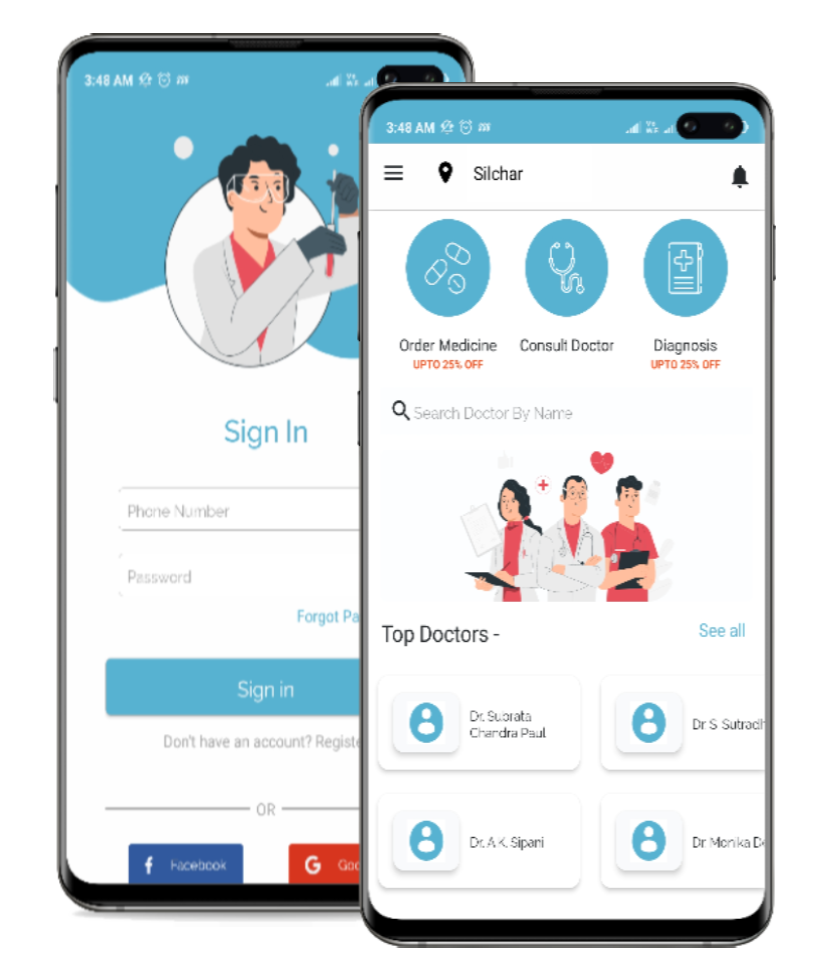
Quickobook CTA
Looking for expert diabetes care near you?
Book appointments with experienced diabetologists, endocrinologists, and general physicians through Quickobook for:
-
Diabetes screening
-
Blood sugar testing
-
Diet consultation
-
Lifestyle guidance
-
Diabetes treatment plans
Early care can help you stay healthy and avoid complications.
Frequently Asked Questions (FAQs)
1. What is diabetes?
Diabetes is a condition where blood sugar levels become too high because the body cannot properly use insulin.
2. What are the first signs of diabetes?
Common signs include excessive thirst, frequent urination, fatigue, and blurred vision.
3. Is diabetes curable?
Diabetes cannot usually be cured, but it can be managed effectively.
4. What causes diabetes?
Genetics, obesity, unhealthy diet, and lack of exercise are major causes.
5. Can stress cause diabetes?
Stress alone may not directly cause diabetes but can increase blood sugar levels.
6. Is diabetes common in India?
Yes, India has one of the highest numbers of diabetes patients globally.
7. What is Type 1 diabetes?
Type 1 diabetes happens when the body stops making insulin.
8. What is Type 2 diabetes?
Type 2 diabetes occurs when the body becomes resistant to insulin.
9. Can children get diabetes?
Yes, especially Type 1 diabetes.
10. Is diabetes hereditary?
Family history increases the risk.
11. Can diabetes affect the eyes?
Yes, uncontrolled diabetes can damage vision.
12. How is diabetes diagnosed?
Doctors use blood sugar tests like fasting glucose and HbA1c.
13. What is normal blood sugar?
Fasting blood sugar below 100 mg/dL is considered normal.
14. Can diabetes damage kidneys?
Yes, long-term uncontrolled diabetes can harm kidneys.
15. Does diabetes cause weight loss?
Yes, especially in Type 1 diabetes.
16. Can diabetes cause tiredness?
Yes, fatigue is a common symptom.
17. Is insulin painful?
Modern insulin injections are usually less painful.
18. Can diabetes cause numbness?
Yes, nerve damage can lead to numbness.
19. What foods should diabetics avoid?
Sugary drinks, sweets, and fried foods should be limited.
20. Can exercise help diabetes?
Yes, regular exercise improves blood sugar control.
21. Is walking good for diabetes?
Yes, daily walking is highly beneficial.
22. Can diabetes cause skin problems?
Yes, infections and dry skin are common.
23. Is rice bad for diabetes?
Portion control is important. Brown rice is often a better option.
24. Can diabetes affect the heart?
Yes, it increases heart disease risk.
25. What is prediabetes?
Prediabetes means blood sugar is higher than normal but not yet diabetes.
26. Can diabetes be prevented?
Type 2 diabetes can often be prevented with healthy habits.
27. Is diabetes lifelong?
Most types require long-term management.
28. Can diabetes affect pregnancy?
Yes, diabetes during pregnancy needs medical care.
29. What is gestational diabetes?
It is diabetes that develops during pregnancy.
30. How often should diabetics check sugar levels?
The frequency depends on medical advice and treatment type.
31. Can diabetes cause dizziness?
Yes, abnormal sugar levels may cause dizziness.
32. What is HbA1c?
It is a blood test showing average sugar levels over 2–3 months.
33. Can fruits raise sugar?
Some fruits can raise sugar if eaten excessively.
34. Is diabetes dangerous?
Uncontrolled diabetes can cause serious complications.
35. Can smoking worsen diabetes?
Yes, smoking increases health risks.
36. Does diabetes affect immunity?
Yes, infections may become more common.
37. Can diabetics eat sweets?
Occasional small portions may be allowed with medical advice.
38. What doctor treats diabetes?
Endocrinologists and diabetologists commonly manage diabetes.
39. Can sleep affect diabetes?
Poor sleep may worsen blood sugar control.
40. Is diabetes increasing in young adults?
Yes, unhealthy lifestyles are increasing risk in younger people.
41. Can dehydration affect blood sugar?
Yes, dehydration can raise blood sugar levels.
42. Does obesity cause diabetes?
Obesity significantly increases Type 2 diabetes risk.
43. Can diabetes affect feet?
Yes, poor circulation can cause foot problems.
44. What is insulin resistance?
It means the body cannot properly use insulin.
45. Can diabetes cause headaches?
Yes, fluctuating sugar levels may trigger headaches.
46. Is fasting safe for diabetics?
Some diabetics may fast safely under doctor supervision.
47. Can diabetes cause mood changes?
Yes, sugar fluctuations may affect mood.
48. How much exercise is needed?
At least 150 minutes weekly is commonly recommended.
49. Is diabetes treatment expensive in India?
Costs vary depending on medicines, tests, and complications.
50. Why is early diagnosis important?
Early treatment reduces the risk of serious complications.
Conclusion
Diabetes is a serious but manageable health condition. Early diagnosis, healthy eating, exercise, regular monitoring, and proper treatment can help people live healthy and active lives.
Ignoring symptoms or delaying treatment can lead to serious complications involving the heart, kidneys, eyes, and nerves.
If you notice early signs of diabetes, consult a qualified doctor for proper testing and treatment guidance.
Your health matters, and small lifestyle changes today can make a big difference tomorrow.
Disclaimer
This blog is for educational purposes only and does not replace professional medical advice, diagnosis, or treatment. Always consult a qualified healthcare provider for personalized medical guidance.





Comments (0)
No comments yet. Be the first to share your thoughts!
Leave a Comment