No Anxiety Doctor in Silchar for now
Frequently Asked Questions
Maintain a consistent sleep schedule, avoid screens before bed, limit caffeine and alcohol, create a relaxing bedtime routine, and keep your bedroom dark and cool for better sleep.
If sleep issues persist for more than two weeks, impact daily activities, or involve symptoms like loud snoring, choking during sleep, or extreme fatigue, consult a healthcare provider.
Signs include difficulty falling asleep, frequent awakenings, waking up tired, snoring, daytime fatigue, irritability, and trouble concentrating.
Most adults need 7 to 9 hours of quality sleep each night for optimal health and functioning. needs may vary based on age, lifestyle, and health.
Sleep issues can be caused by stress, anxiety, depression, irregular sleep schedules, poor sleep habits, caffeine intake, or underlying health conditions like sleep apnea or thyroid disorders.
Yes, if anger is affecting your life or relationships, therapy or anger management programs can provide strategies to understand triggers and respond more calmly.
Deep breathing, walking away from the situation, physical exercise, mindfulness, and talking to a counselor can help manage anger in a healthy way.
If your anger leads to aggressive behavior, damages relationships, affects work, or causes guilt or regret, it may be a sign of poor anger management and worth addressing.
Anger can be triggered by stress, frustration, feeling misunderstood, injustice, trauma, or unmet expectations. underlying mental health conditions can also contribute.
Yes, anger is a natural and healthy emotion when expressed appropriately. it becomes a concern only when it’s frequent, intense, or hard to control.
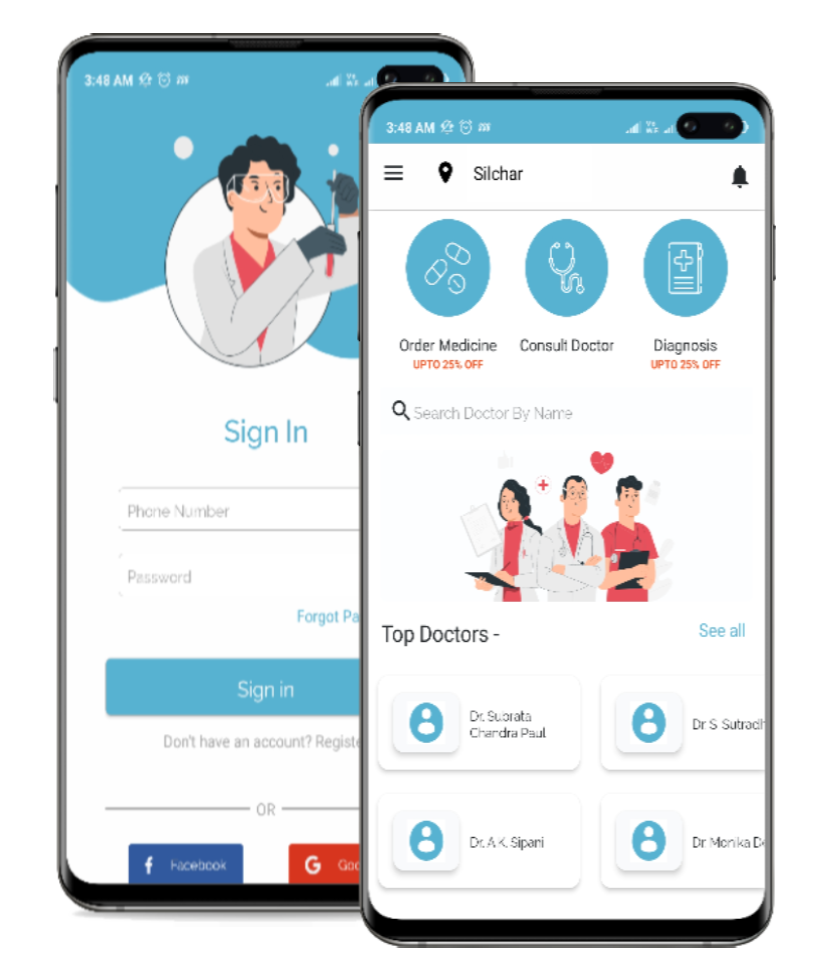
Download Quickobook App
Book appointment & health checkups;
Online lab test & consult doctor online
Get the link to download the app
+91
 Play Store