No Bloating Doctor in Silchar for now
Frequently Asked Questions
Yes, the gut and brain are closely connected. anxiety, stress, and depression can worsen or even trigger digestive symptoms like bloating, cramps, and altered bowel habits.
See a doctor if you have persistent pain, blood in stool, unexplained weight loss, severe diarrhea or constipation, or symptoms lasting more than a few days.
Eat a balanced diet rich in fiber, drink plenty of water, avoid overeating, limit spicy and fatty foods, exercise regularly, and manage stress. chewing food properly also helps.
Digestive problems can be caused by poor diet, stress, infections, food intolerances (like lactose or gluten), irritable bowel syndrome (ibs), acid reflux, or conditions like ulcers or gallstones.
Common symptoms include bloating, gas, stomach pain, indigestion, constipation, diarrhea, nausea, heartburn, and changes in bowel movements.
If hair loss is sudden, patchy, or accompanied by itching, redness, or other symptoms, or if you’re concerned about thinning over time, consult a dermatologist to identify the cause and explore treatment options.
Eat a balanced diet rich in vitamins and minerals, avoid tight hairstyles, reduce heat and chemical treatments, manage stress, and consider doctor-recommended treatments if needed.
Yes, physical or emotional stress can trigger a condition called telogen effluvium, where hair shifts into the shedding phase prematurely. this usually resolves within a few months.
It depends on the cause. genetic hair loss is usually permanent, while hair loss due to stress, diet, or illness is often temporary and reversible with proper treatment.
Hair loss can be caused by genetics (like male or female pattern baldness), hormonal changes, stress, nutritional deficiencies, scalp infections, certain medications, or underlying health conditions such as thyroid disorders.
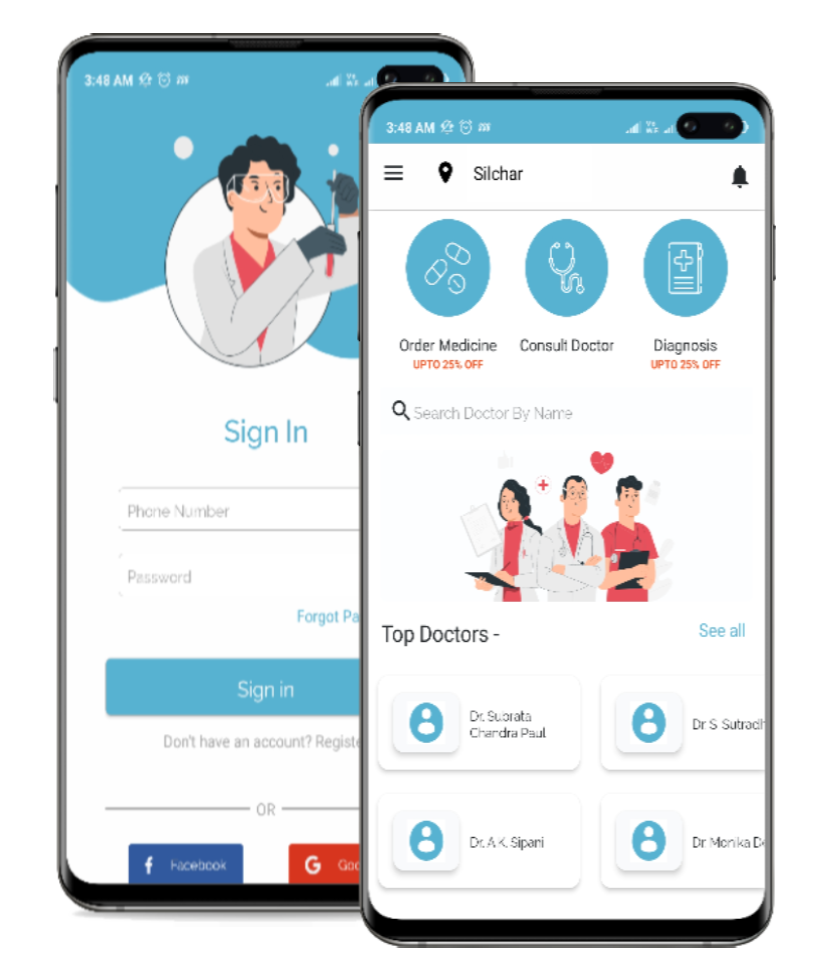
Download Quickobook App
Book appointment & health checkups;
Online lab test & consult doctor online
Get the link to download the app
+91
 Play Store