No Cramps Doctor in Silchar for now
Frequently Asked Questions
Stay well-hydrated, stretch regularly (especially before exercise), eat a balanced diet rich in minerals, and avoid sitting or standing in one position for too long.
While most cramps are harmless, frequent or severe cramps may signal underlying issues like nerve problems, poor blood flow, or electrolyte imbalance. consult a doctor if they happen often or interfere with daily life.
Gently stretch and massage the affected muscle, apply heat or cold packs, stay hydrated, and try over-the-counter pain relief if needed. for menstrual cramps, heat therapy and light exercise often help.
The most common types include muscle cramps (in legs, feet, or hands), menstrual cramps (due to uterine contractions), and stomach cramps (often linked to digestive issues)
Cramps are sudden, involuntary muscle contractions that can be painful. they are commonly caused by dehydration, overuse of muscles, poor circulation, or mineral deficiencies like low potassium, calcium, or magnesium.
Doctors diagnose pcos through medical history, physical exams, hormone tests, and ultrasound. treatment may include weight management, birth control pills, anti-androgen medications, or insulin-sensitizing drugs like metformin.
Pcos can’t be cured, but it can be effectively managed with lifestyle changes, medications to regulate periods or insulin, and fertility treatments if needed.
The exact cause is unknown, but it’s linked to hormonal imbalances, insulin resistance, and genetics. lifestyle factors like poor diet and inactivity may worsen symptoms.
Symptoms include irregular periods, weight gain, acne, excessive facial or body hair (hirsutism), thinning scalp hair, and difficulty getting pregnant.
Polycystic ovary syndrome (pcos) is a hormonal disorder where the ovaries produce excess androgens (male hormones), leading to irregular periods, cysts in the ovaries, and difficulty in ovulation.
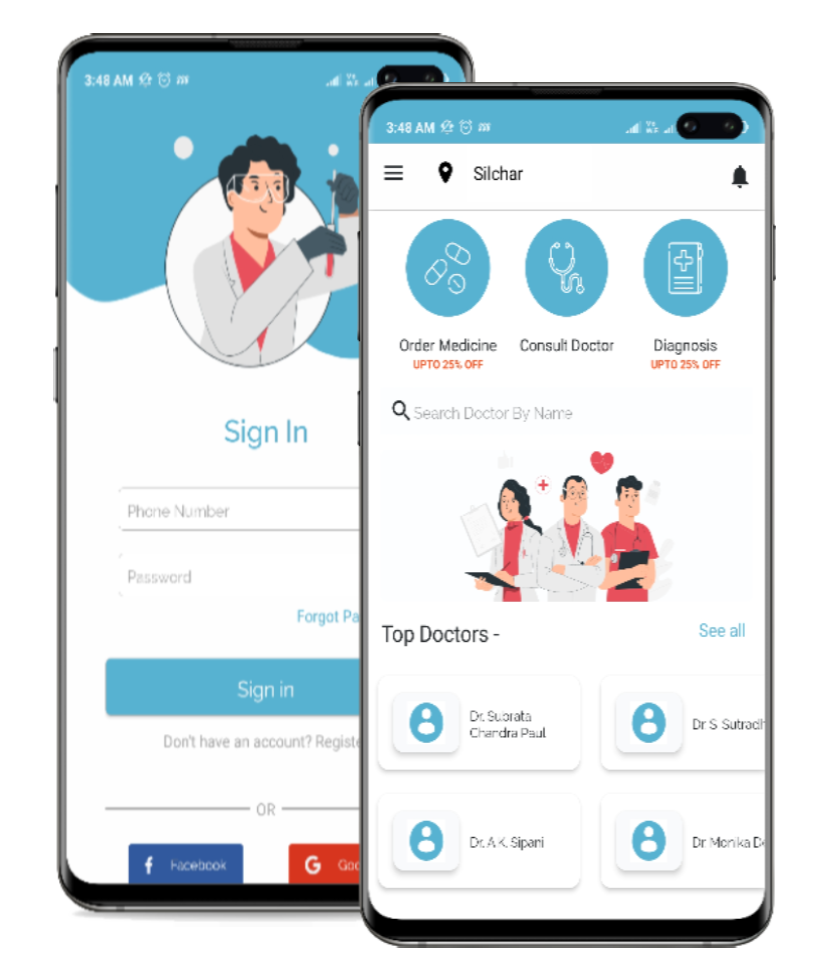
Download Quickobook App
Book appointment & health checkups;
Online lab test & consult doctor online
Get the link to download the app
+91
 Play Store