No Excessive Sweating Doctor in Silchar for now
Frequently Asked Questions
Doctors may do urine tests, blood tests, or imaging to find the cause. treatment depends on the condition—ranging from antibiotics for infections to lifestyle changes or medications for other causes.
You should see a doctor if it’s accompanied by pain, blood in urine, fever, a strong urge to urinate, or if it affects your quality of life or sleep regularly.
Not always. it can happen temporarily due to caffeine, alcohol, or drinking lots of fluids. however, if it’s persistent or comes with pain or urgency, it may indicate a medical issue.
Urination more than 7–8 times during the day or waking up more than once at night to urinate may be considered frequent, especially if it disrupts daily activities.
Frequent urination can be caused by urinary tract infections (utis), diabetes, pregnancy, excessive fluid intake, bladder disorders, or prostate issues in men.
Treatment depends on the cause. managing the underlying condition, improving diet, reducing stress, and sometimes working with a nutritionist can help restore healthy weight.
Doctors may order blood tests, thyroid function tests, imaging scans, stool tests, or endoscopy depending on the symptoms and medical history.
Yes, emotional distress, depression, and anxiety can reduce appetite and lead to weight loss, sometimes without the person realizing it.
If you lose more than 5% of your body weight in 6–12 months without trying, or if it comes with fatigue, appetite loss, or other symptoms, it may be a sign of an underlying health issue.
Unintentional weight loss can be caused by illnesses such as diabetes, thyroid disorders, infections, digestive problems, cancer, or mental health conditions like depression and anxiety.
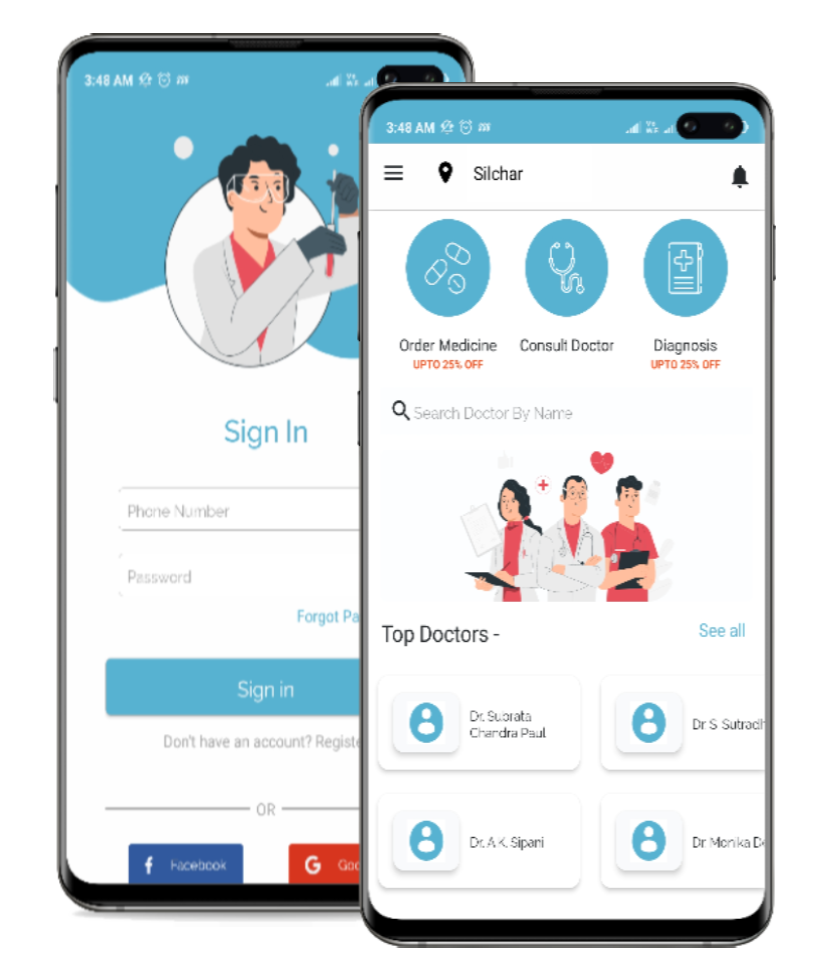
Download Quickobook App
Book appointment & health checkups;
Online lab test & consult doctor online
Get the link to download the app
+91
 Play Store