No Gas Doctor in Silchar for now
Frequently Asked Questions
Occasional heartburn is usually not serious. but frequent or severe heartburn can damage the esophagus and may indicate gerd, which needs medical treatment.
Occasional discomfort may be normal, but regular pain after eating could indicate food intolerances, gastritis, ulcers, or gallbladder issues and should be checked by a doctor.
Eat smaller meals, avoid spicy and fatty foods, stay upright for at least 2 hours after eating, maintain a healthy weight, and avoid smoking or alcohol.
See a doctor if indigestion is frequent, lasts more than two weeks, or is accompanied by weight loss, vomiting, black stools, or chest pain.
Seek medical help if the pain is severe, sudden, persistent, or accompanied by fever, vomiting, blood in stool, or difficulty breathing.
No, most lumps are benign (non-cancerous). common harmless lumps include cysts and lipomas. however, any new, hard, or growing lump should be evaluated by a doctor.
Not always. sometimes stomach pain can be due to urinary tract infections, reproductive organ problems (like menstrual cramps or ovarian cysts), or even heart-related issues in rare cases.
Drinking warm water, avoiding spicy or fatty foods, resting, using a heating pad, and taking antacids or mild pain relievers can help ease minor stomach pain.
Heartburn is a burning sensation in the chest, usually behind the breastbone, caused by stomach acid rising into the food pipe (esophagus). it often feels worse after eating or when lying down.
Bloating, burping, passing gas, abdominal discomfort or cramping, and a feeling of fullness are typical signs of gas build-up in the digestive tract.
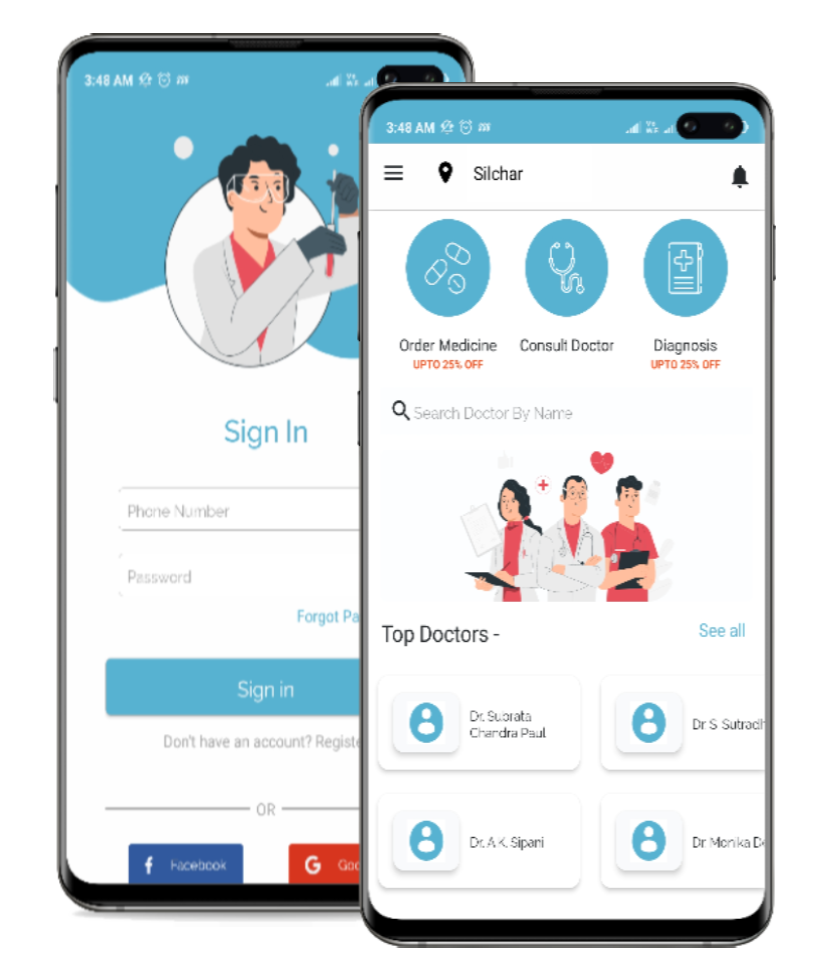
Download Quickobook App
Book appointment & health checkups;
Online lab test & consult doctor online
Get the link to download the app
+91
 Play Store