No Low Blood Pressure Doctor in Silchar for now
Frequently Asked Questions
Treatment depends on the cause and may include increasing fluid and salt intake, wearing compression stockings, adjusting medications, or treating underlying conditions.
While mild low blood pressure may be harmless or even normal in some people, severe or sudden drops can be dangerous and may indicate an underlying health issue.
Common symptoms include dizziness, fainting, blurred vision, fatigue, nausea, cold or clammy skin, and confusion—especially when standing or changing positions quickly.
It can be caused by dehydration, blood loss, heart problems, infections, hormone imbalances, certain medications, or standing up too quickly (orthostatic hypotension).
Low blood pressure is generally defined as a reading below 90/60 mmhg. while it may not always cause problems, it can lead to symptoms if blood flow to organs is reduced.
It can be managed with lifestyle changes such as a healthy diet, regular exercise, weight loss, limiting salt and alcohol, quitting smoking, and taking prescribed medications regularly.
It is diagnosed using a blood pressure monitor. readings consistently above 140/90 mmhg (or 130/80 mmhg for people with other health conditions) may indicate hypertension.
Most people have no symptoms. in severe cases, it may cause headaches, dizziness, nosebleeds, blurred vision, or chest pain—but these usually appear only when pressure is very high.
Common causes include genetics, obesity, lack of physical activity, excessive salt intake, stress, smoking, alcohol, and chronic conditions like diabetes or kidney disease.
High blood pressure occurs when the force of blood against the artery walls is consistently too high. it is often called a "silent killer" because it may not cause symptoms but can lead to serious health problems.
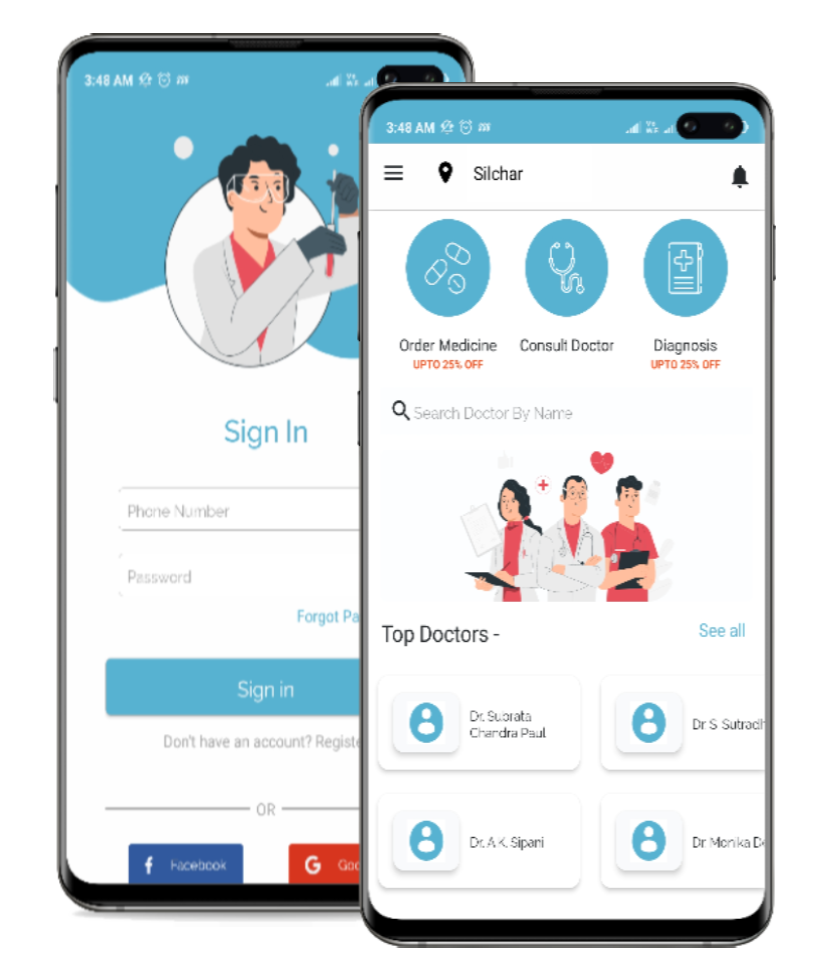
Download Quickobook App
Book appointment & health checkups;
Online lab test & consult doctor online
Get the link to download the app
+91
 Play Store