No Nosebleeds Doctor in Silchar for now
Frequently Asked Questions
Treatment depends on the cause. minor infections may resolve on their own or with antibiotics, while persistent or unusual swelling may require further testing like blood work or biopsy.
Consult a doctor if they are larger than 1 inch, hard or immovable, last more than two weeks, grow rapidly, or are accompanied by fever, night sweats, or weight loss.
They can be tender or painful to touch, especially when caused by infections. painless swelling may still occur and should be evaluated if it persists.
Lymph nodes are found throughout the body, but are most noticeable in the neck, under the jaw, armpits, and groin when they become swollen.
Swollen lymph nodes are usually a sign that your body is fighting an infection, such as a cold, flu, strep throat, or ear infection. they can also be caused by inflammation, immune disorders, or rarely, cancers.
Keep your nasal passages moist with saline sprays, use a humidifier in dry environments, avoid picking your nose, and gently blow your nose to reduce irritation.
See a doctor if the bleeding lasts more than 20 minutes, happens frequently, is heavy, or occurs after an injury. also seek help if accompanied by dizziness or weakness.
Sit upright, lean slightly forward, and pinch the soft part of your nose for 10-15 minutes. avoid lying down or tilting your head back, as this can cause blood to flow into the throat.
Most nosebleeds are harmless and stop on their own. however, frequent or heavy nosebleeds can indicate an underlying issue and should be evaluated by a doctor.
Common causes include dry air, nose picking, allergies, frequent sneezing, infections, injury, or use of blood-thinning medications. high blood pressure or underlying conditions can also lead to nosebleeds.
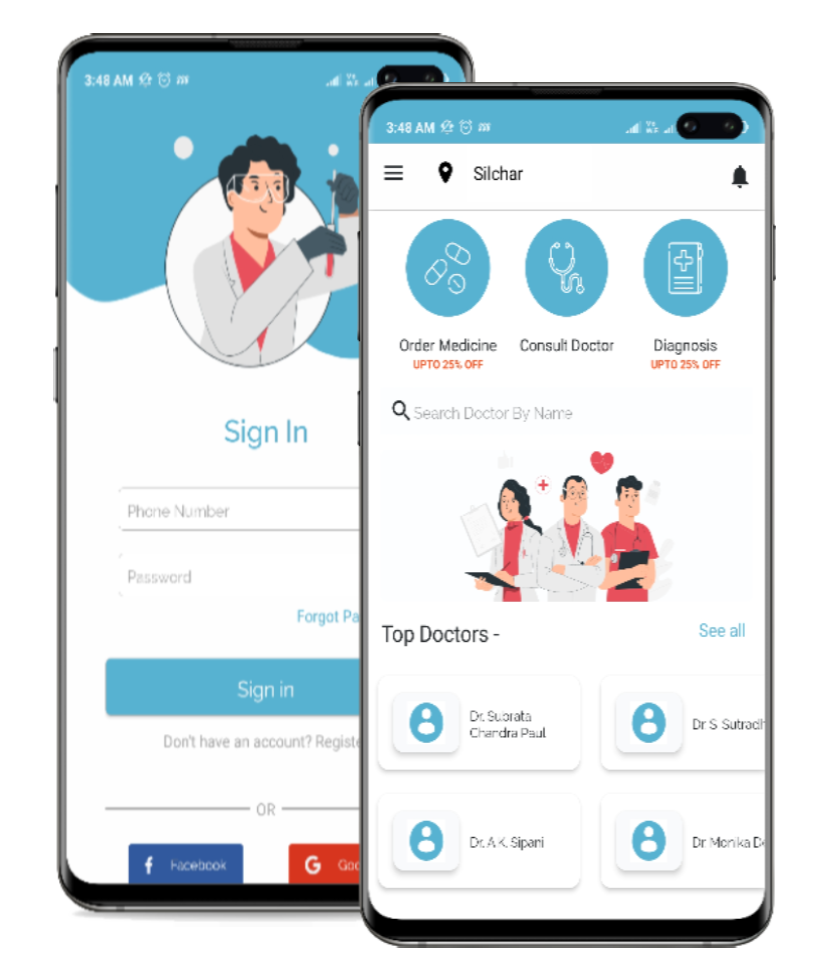
Download Quickobook App
Book appointment & health checkups;
Online lab test & consult doctor online
Get the link to download the app
+91
 Play Store