No Palpitations Doctor in Silchar for now
Frequently Asked Questions
Stay calm, sit upright, use a fan or open window for airflow, and practice slow, deep breathing. however, if it happens often, consult a doctor to find the underlying cause.
Doctors may recommend chest x-rays, ecg, blood tests, lung function tests, or echocardiograms depending on your symptoms and medical history.
Yes, anxiety and panic attacks often lead to a sensation of not getting enough air, which can feel like breathlessness even without a physical cause.
Yes, if breathlessness comes on suddenly or is severe—especially if it's accompanied by chest pain, dizziness, or bluish lips—it may indicate a serious condition like a heart attack or pulmonary embolism and needs immediate medical help.
Breathlessness can be caused by conditions like asthma, heart disease, lung infections, anemia, anxiety, or even being overweight or out of shape.
If fatigue lasts for more than two weeks, keeps getting worse, or comes with other symptoms like weight loss, fever, or shortness of breath, medical evaluation is necessary.
You can manage fatigue by improving sleep habits, staying hydrated, eating balanced meals, exercising regularly, and taking breaks during long tasks.
Yes, conditions like depression, anxiety, or chronic stress can lead to both mental and physical fatigue, making daily tasks feel overwhelming.
Fatigue can be caused by poor sleep, stress, overwork, anemia, thyroid issues, infections, depression, chronic illnesses, or even poor diet and dehydration.
Fatigue is a persistent feeling of exhaustion or lack of energy that doesn’t go away with rest, whereas tiredness is usually temporary and improves after sleep.
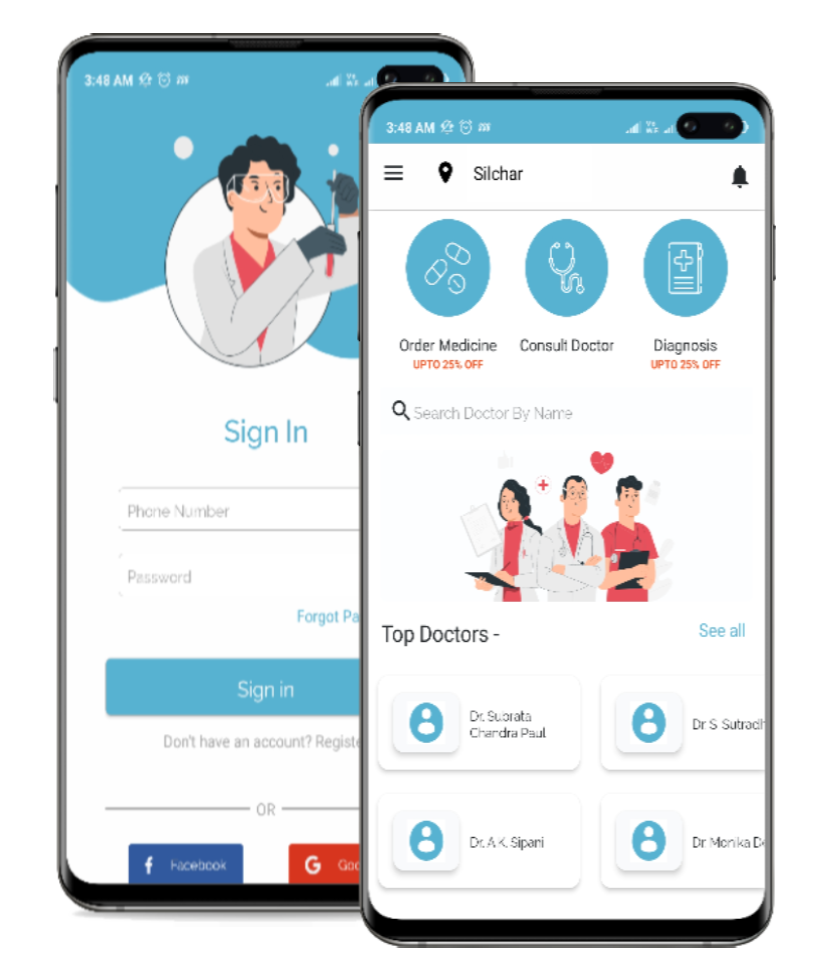
Download Quickobook App
Book appointment & health checkups;
Online lab test & consult doctor online
Get the link to download the app
+91
 Play Store