
Introduction
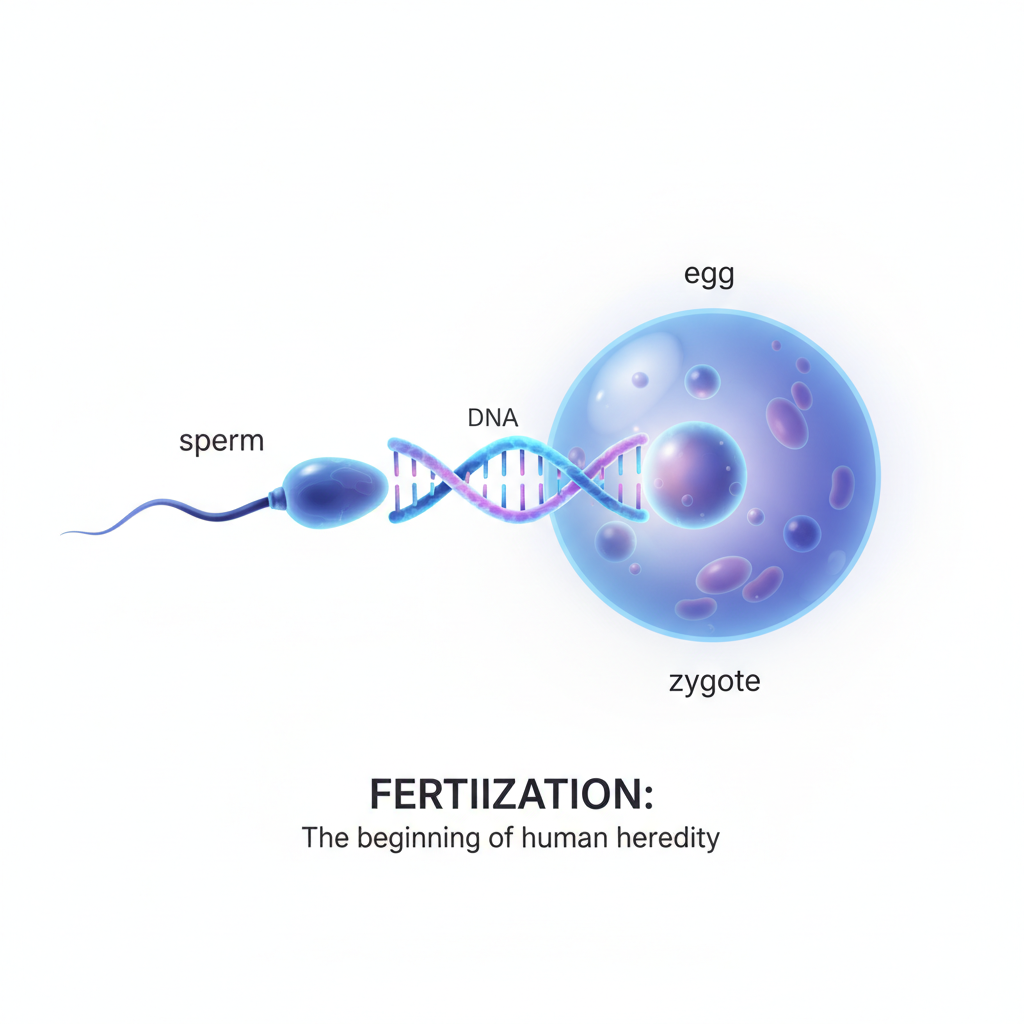
Every human life begins with a single cell — a fertilized egg. This extraordinary process starts with germline cells, which carry the genetic code that links generations together. These cells are responsible for passing on traits, features, and sometimes even genetic risks from parents to children.
Understanding germline cells gives us a clearer picture of how heredity works, how diseases are inherited, and how modern science is exploring new ways to prevent hereditary conditions.
What Are Germline Cells
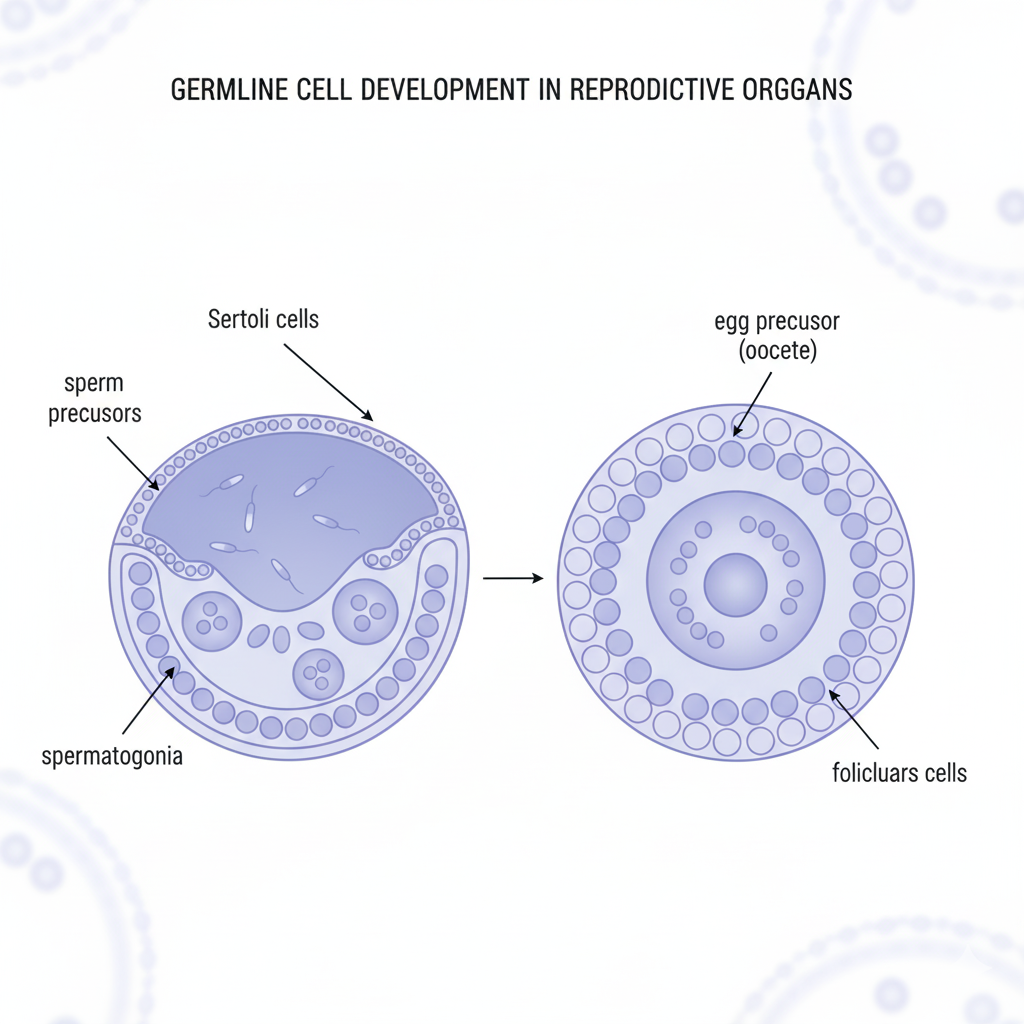
Germline cells are special reproductive cells that develop into gametes — sperm in males and eggs in females. They differ from the regular cells of our body, called somatic cells, because they can transmit DNA to the next generation.
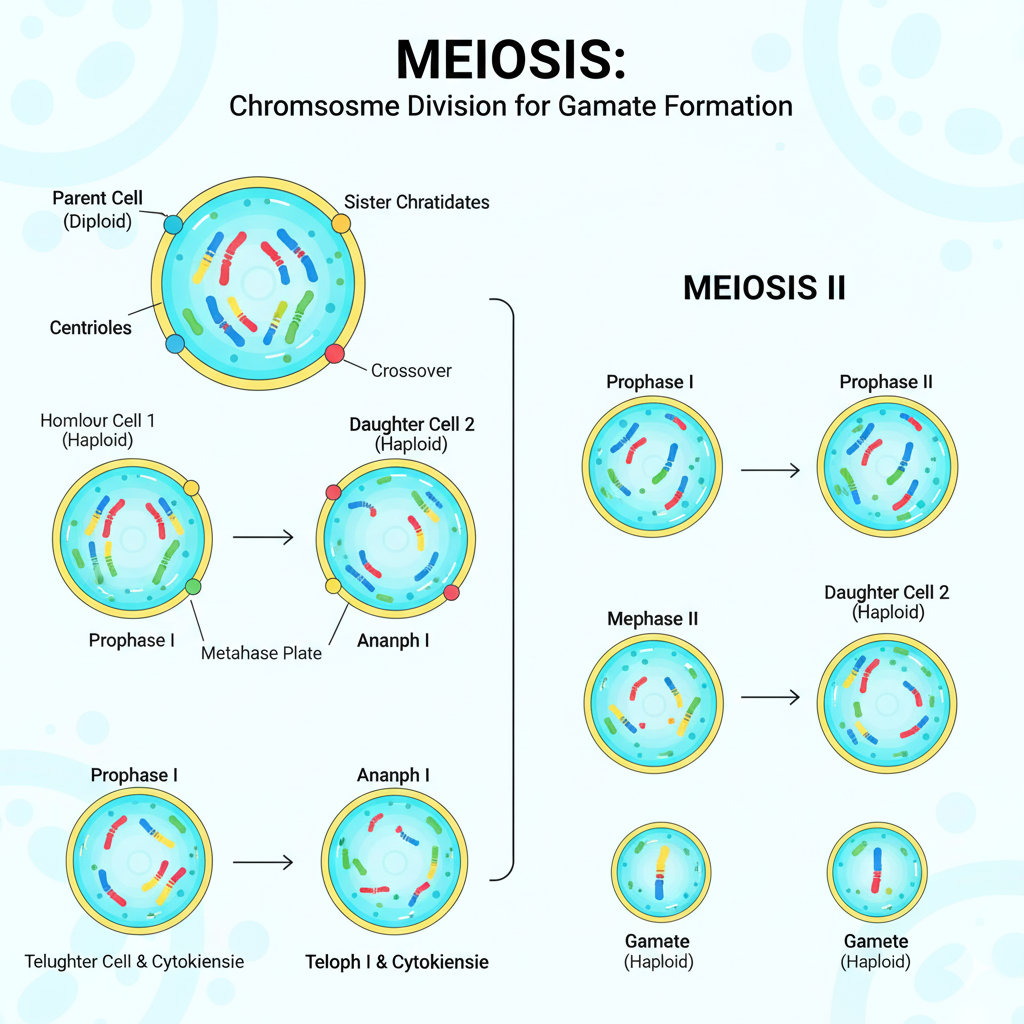
These cells are found in the reproductive organs — testes in men and ovaries in women. They divide through a process known as meiosis, producing gametes that have half the usual number of chromosomes. When a sperm and egg unite during fertilization, they restore the full chromosome count and form a zygote — the first cell of a new human being.
Difference Between Germline and Somatic Cells
| Feature | Germline Cells | Somatic Cells |
|---|---|---|
| Function | Produce gametes (sperm and eggs) | Form all body tissues and organs |
| Division | Meiosis | Mitosis |
| DNA Transmission | Passed to next generation | Not passed to offspring |
| Mutation Impact | Heritable (can cause genetic disorders) | Affects only the individual |
How Germline Cells Develop
The formation of germline cells begins very early in the embryo. These primordial germ cells (PGCs) travel to the gonads, where they multiply and mature into functional reproductive cells.
In males, germline cells become spermatogonia, which divide to form millions of sperm every day.
In females, they become oogonia, which mature into eggs capable of fertilization.
The Role of Meiosis in Germline Cells
Meiosis is a type of cell division that reduces the chromosome number by half, ensuring that when sperm and egg unite, the resulting zygote has the right number of chromosomes. This process is also responsible for genetic diversity, which is why each person has a unique combination of traits.
Germline Mutations and Their Effects
Sometimes, changes or “mutations” occur in the DNA of germline cells. These mutations can be passed to offspring and lead to hereditary diseases.
Examples include cystic fibrosis, thalassemia, hemophilia, Huntington’s disease, and sickle cell anaemia.
This is why genetic counseling and screening are important for couples with a family history of inherited disorders.
Germline Gene Editing – The Future of Genetics
Modern genetic tools like CRISPR-Cas9 can modify DNA inside germline cells. Scientists hope this could one day prevent inherited diseases or correct harmful mutations before birth.
However, editing human germline DNA affects not just one person but all future generations, so it raises important ethical and safety questions. Research continues under strict regulations worldwide.
Germline Cells and Fertility
Healthy germline cells are essential for successful reproduction. Problems with these cells can lead to infertility, miscarriage, or abnormal embryo development.
Factors such as age, radiation, certain medicines, smoking, and exposure to chemicals can damage germline DNA and affect fertility in both men and women.
How to Protect Germline Health
You can support healthy germline function by:
-
Eating a balanced diet rich in folate, zinc, and antioxidants
-
Avoiding smoking, alcohol, and recreational drugs
-
Maintaining a healthy weight
-
Limiting radiation and chemical exposure
-
Managing stress
-
Going for regular reproductive checkups

When to See a Doctor
You should consult a gynaecologist or fertility specialist if:
-
You have been trying to conceive for a year without success
-
There is a known family history of genetic disorders
-
You’ve had multiple miscarriages
-
You are planning assisted reproduction, such as IVF
A doctor may suggest genetic testing or hormonal evaluations to identify possible issues and guide treatment.
Risks and Complications Related to Germline Cells
-
Genetic mutations leading to hereditary diseases
-
Chromosomal abnormalities, such as Down syndrome
-
Age-related fertility decline
-
Cancer risks associated with inherited mutations
Early detection and medical advice can help manage these risks effectively.
Conclusion
Germline cells are the bridge between generations. They preserve our DNA, define heredity, and ensure the continuity of life. By maintaining reproductive health, seeking timely medical guidance, and making informed decisions, individuals can protect their future family’s health and genetic well-being.
Quickobook Tip
Need a fertility expert or genetic counselor?
Book your appointment with Quickobook, India’s trusted healthcare platform that connects you to certified doctors for fertility care, genetic testing, and counselling.
Visit: www.quickobook.com
FAQs (50 Expert Answers)
-
What are germline cells?
They are reproductive cells that form sperm and eggs. -
How do germline cells differ from somatic cells?
Only germline cells pass DNA to offspring. -
Where are germline cells found?
In the testes and ovaries. -
What is meiosis?
A type of cell division that halves chromosome number for reproduction. -
What happens if germline DNA is damaged?
It can cause infertility or inherited disease. -
Can germline mutations be inherited?
Yes, they pass from parents to children. -
What are examples of germline disorders?
Cystic fibrosis, thalassemia, hemophilia, and sickle cell anaemia. -
Do lifestyle habits affect germline health?
Yes — smoking, alcohol, and poor diet can reduce sperm and egg quality. -
What is a gamete?
A mature reproductive cell — sperm or egg. -
What is fertilization?
The fusion of sperm and egg to create a zygote. -
Can toxins harm germline cells?
Yes, exposure to chemicals or radiation can damage DNA. -
Can genetic testing identify germline mutations?
Yes, through carrier screening or DNA sequencing. -
What is a hereditary disease?
An illness passed through genes from parents to offspring. -
How does DNA inheritance work?
Each parent contributes half the child’s genetic material. -
Can older age increase mutation risk?
Yes, both egg and sperm quality decline with age. -
Can both parents pass the same mutation?
Yes, increasing the risk of recessive genetic disorders. -
What is germline gene editing?
Changing DNA in sperm or egg cells to prevent disease. -
Is germline editing legal in India?
No, it’s still under ethical and scientific debate. -
Can stress affect fertility?
Yes, chronic stress disrupts hormone balance. -
Do men and women have the same number of germline cells?
Men produce them continuously; women are born with a set number. -
What is the function of germline stem cells?
They self-renew and produce new gametes. -
Can germline mutations cause cancer?
Yes, inherited mutations can increase cancer risk. -
How many chromosomes do gametes have?
Each has 23 chromosomes. -
What is a zygote?
The first cell formed after fertilization. -
What is the human genome?
All of a person’s genetic material. -
Are all genetic traits visible?
No, many traits are internal, like metabolism or immunity. -
Can medicines affect germline DNA?
Certain chemotherapy drugs can; ask your doctor first. -
Can infections harm germline cells?
Yes, some viral infections can damage DNA. -
Is genetic counseling helpful before pregnancy?
Yes, it helps understand and reduce genetic risks. -
Can diet improve sperm and egg health?
Yes, foods rich in antioxidants and vitamins support cell health. -
What are chromosomal abnormalities?
Extra or missing chromosomes, like in Down syndrome. -
Can germline mutations be treated?
They can be managed but not usually reversed. -
Can we inherit immunity?
No, immunity develops after birth. -
What is genetic recombination?
Mixing of genes during meiosis that adds diversity. -
Can germline cells be preserved?
Yes, sperm and eggs can be frozen. -
How are germline cells studied?
Through DNA sequencing and laboratory models. -
What is the difference between PGCs and gametes?
PGCs are early forms; gametes are mature cells. -
What causes germline mutations?
DNA errors, toxins, radiation, or environmental exposure. -
Can germline cells regenerate?
Male germline cells regenerate; female eggs are finite. -
What is CRISPR?
A tool used to edit DNA sequences precisely. -
What are hereditary cancers?
Cancers caused by inherited germline mutations. -
Can exercise affect fertility?
Moderate exercise helps; extreme training may reduce fertility. -
Do identical twins share the same germline DNA?
Yes, they originate from one fertilized egg. -
How do germline cells support evolution?
They carry genetic changes passed over generations. -
Can both parents’ health affect the baby’s DNA?
Yes, both contribute equally to the child’s genes. -
What is the function of the gonads?
They produce and store germline cells. -
Can sleep affect fertility?
Poor sleep disrupts reproductive hormones. -
Can stress affect sperm or egg DNA?
Yes, long-term stress increases mutation risk. -
Is germline research ongoing in India?
Yes, in genetic labs under ethical supervision. -
Why is it important to learn about germline cells?
They explain heredity, fertility, and the science of human life.


Comments (0)
No comments yet. Be the first to share your thoughts!
Leave a Comment