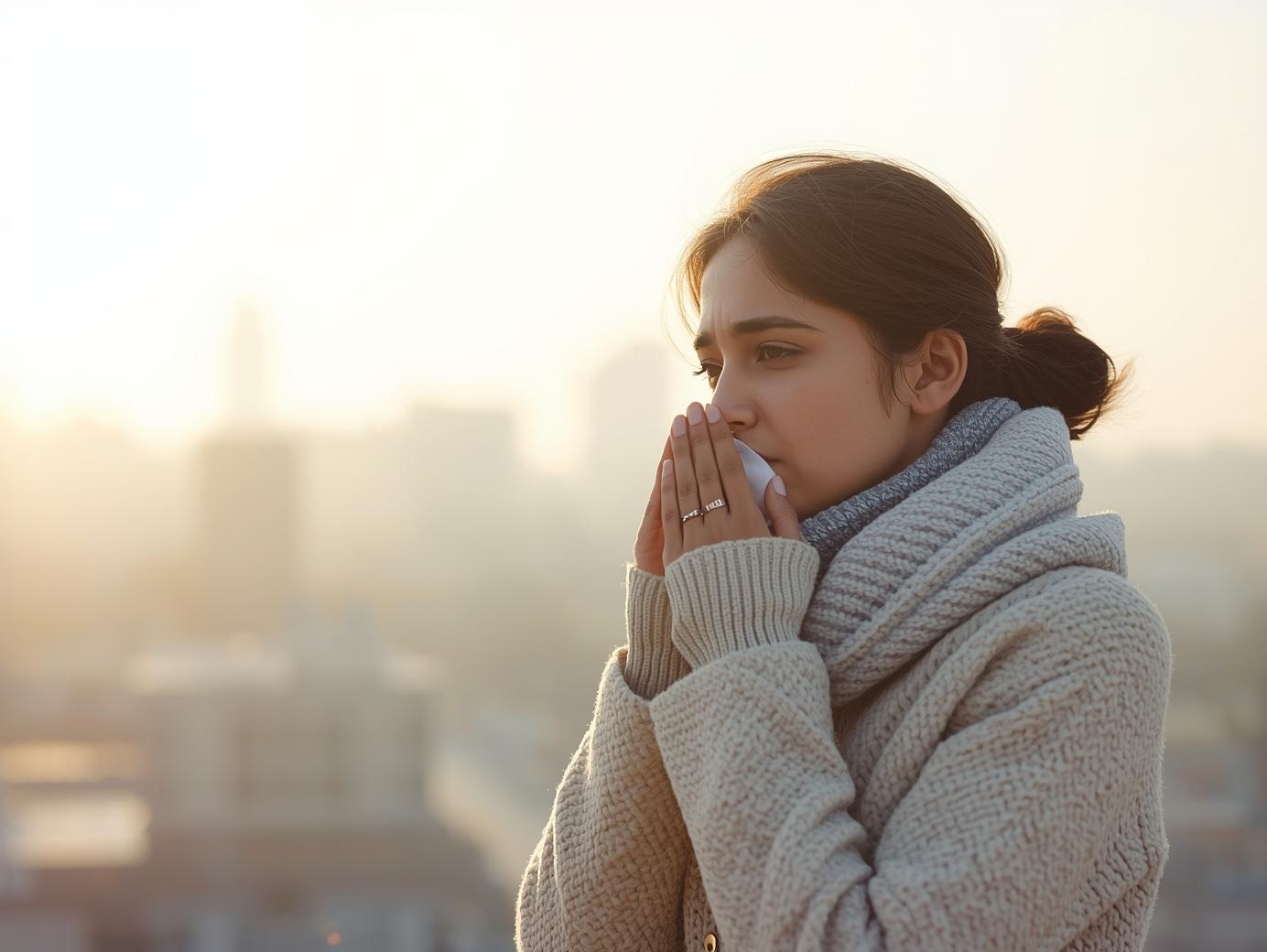

Introduction: Why Seasonal Cough Is Increasing in India
Seasonal cough is one of the most common health problems seen during monsoon, winter, and allergy season in India. Many people ignore it as a simple cold. However, a seasonal cough can be linked to viral bronchitis, allergic bronchitis, lung inflammation, and air pollution effects.
With rising pollution levels and changing weather patterns, respiratory issues are becoming more frequent. If your cough lasts more than 2–3 weeks or returns every year, it is important to understand the cause and seek proper care.
This detailed Quickobook guide explains everything in simple, patient-friendly language.

What Is Seasonal Cough?
Seasonal cough is a cough that appears or worsens during specific times of the year. It usually happens due to:
-
Weather changes
-
Viral infections
-
Allergy season triggers
-
High pollution levels
A cough is your body’s defense mechanism. It helps clear mucus, dust, and germs from the airways. But when coughing becomes persistent, it may signal inflammation in the lungs.
In India, seasonal cough is most common during:
-
Monsoon (viral infections and damp weather)
-
Winter (cold air and pollution spikes)
-
Spring (pollen and allergy season)
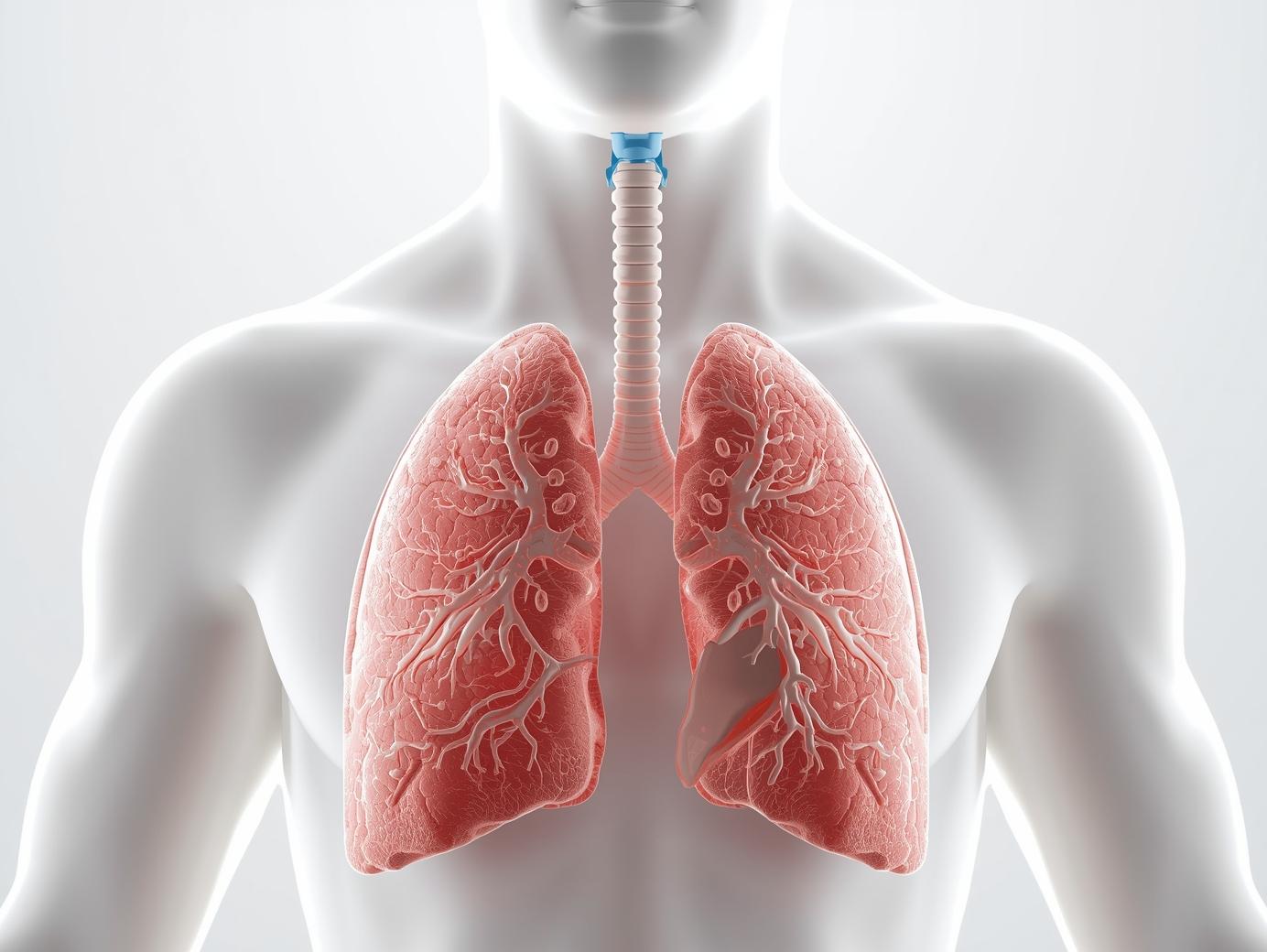
Viral Bronchitis: A Leading Cause of Seasonal Cough
Viral bronchitis occurs when viruses infect the bronchial tubes. These are the airways that carry air to your lungs. Infection causes swelling, known as lung inflammation.
Causes of Viral Bronchitis
-
Common cold viruses
-
Influenza (flu) virus
-
Sudden temperature changes
-
Weak immune system
Symptoms of Viral Bronchitis
-
Wet or dry cough
-
Thick mucus
-
Chest congestion
-
Mild fever
-
Body ache
-
Tiredness
-
Mild breathlessness
Viral bronchitis usually improves within 1 to 3 weeks. Antibiotics do not work against viruses unless a bacterial infection develops later.
Allergic Bronchitis: Common During Allergy Season
Allergic bronchitis happens when the airways react to allergens. Allergens are substances that trigger an allergy response.
Common Triggers in India
-
Dust
-
Pollen
-
Vehicle smoke
-
Construction dust
-
Pet hair
-
Mold during monsoon
-
Air pollution
Symptoms of Allergic Bronchitis
-
Persistent dry cough
-
Wheezing (whistling sound while breathing)
-
Chest tightness
-
Sneezing
-
Itchy throat
-
Usually no fever
Allergic bronchitis often repeats during allergy season if triggers are not controlled.
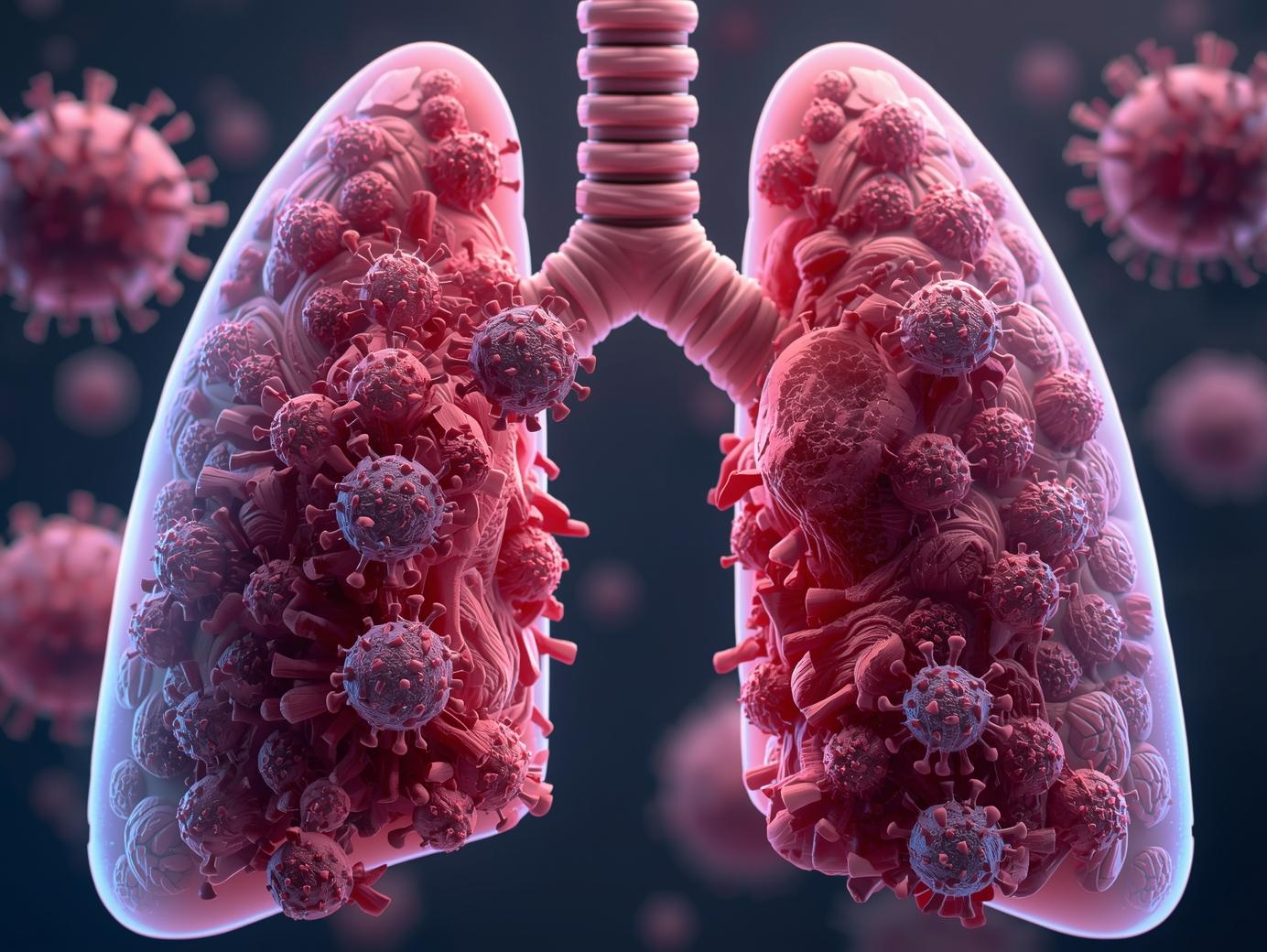
Air Pollution Effects on Seasonal Cough
India faces high levels of air pollution, especially in metro cities. Pollution particles are very tiny. They enter deep into the lungs and irritate the airways.
Air pollution effects include:
-
Increased lung inflammation
-
Persistent cough
-
Throat irritation
-
Worsening asthma
-
Long-term breathing problems
Children, elderly people, and those with asthma are more vulnerable.
Understanding Lung Inflammation
Lung inflammation means swelling inside the breathing tubes.
When this happens:
-
Airways become narrow
-
Mucus production increases
-
Airflow becomes restricted
-
Cough becomes persistent
Both viral bronchitis and allergic bronchitis cause lung inflammation.
Viral Bronchitis vs Allergic Bronchitis
| Feature | Viral Bronchitis | Allergic Bronchitis |
|---|---|---|
| Cause | Virus | Allergy triggers |
| Fever | Common | Rare |
| Mucus | Thick mucus | Less mucus |
| Duration | 1–3 weeks | May recur yearly |
| Contagious | Yes | No |
Diagnosis of Seasonal Cough
If cough lasts more than 2–3 weeks, consult a doctor.
Your doctor may recommend:
-
Physical chest examination
-
Chest X-ray
-
Blood tests
-
Allergy testing
-
Spirometry (lung function test)
Early diagnosis prevents complications.
Treatment for Seasonal Cough
Treatment depends on the cause.
Treatment for Viral Bronchitis
-
Rest
-
Warm fluids
-
Steam inhalation
-
Paracetamol for fever (as prescribed)
-
Doctor-recommended cough syrups
Antibiotics are only needed if bacterial infection develops.
Treatment for Allergic Bronchitis
-
Anti-allergy medicines
-
Inhalers (as prescribed)
-
Avoiding triggers
-
Air purifiers at home
Inhalers reduce lung inflammation and open the airways.
Home Care Tips
-
Drink warm water
-
Use steam inhalation carefully
-
Gargle with salt water
-
Avoid smoking
-
Stay hydrated
-
Avoid cold exposure
These methods support recovery but do not replace medical care.
Prevention Tips During Allergy Season
-
Monitor pollution levels
-
Wear N95 mask outdoors
-
Keep windows closed during high pollen days
-
Wash bedding weekly
-
Use air purifiers
-
Shower after outdoor exposure
When to See a Doctor
Seek medical care if:
-
Cough lasts more than 3 weeks
-
High fever
-
Blood in sputum
-
Severe breathlessness
-
Chest pain
-
Frequent yearly cough episodes
Risks and Complications
Ignoring seasonal cough may lead to:
-
Chronic bronchitis
-
Asthma
-
Repeated lung infections
-
Severe lung inflammation
-
Reduced lung capacity
Seasonal Cough in Children and Elderly
Children may experience:
-
Night cough
-
Fast breathing
-
Reduced appetite
Elderly individuals may face:
-
Severe weakness
-
Increased breathlessness
-
Higher risk of complications
Consult a doctor early in these age groups.
Conclusion
Seasonal cough in India is often linked to viral bronchitis, allergic bronchitis, lung inflammation, and air pollution effects. Ignoring symptoms can lead to long-term respiratory problems.
Early treatment and preventive care protect your lungs and improve quality of life.







Comments (0)
No comments yet. Be the first to share your thoughts!
Leave a Comment